Why Donor Recognition Matters More Than Ever
Donors do not just want to give. They want to know their gift mattered.
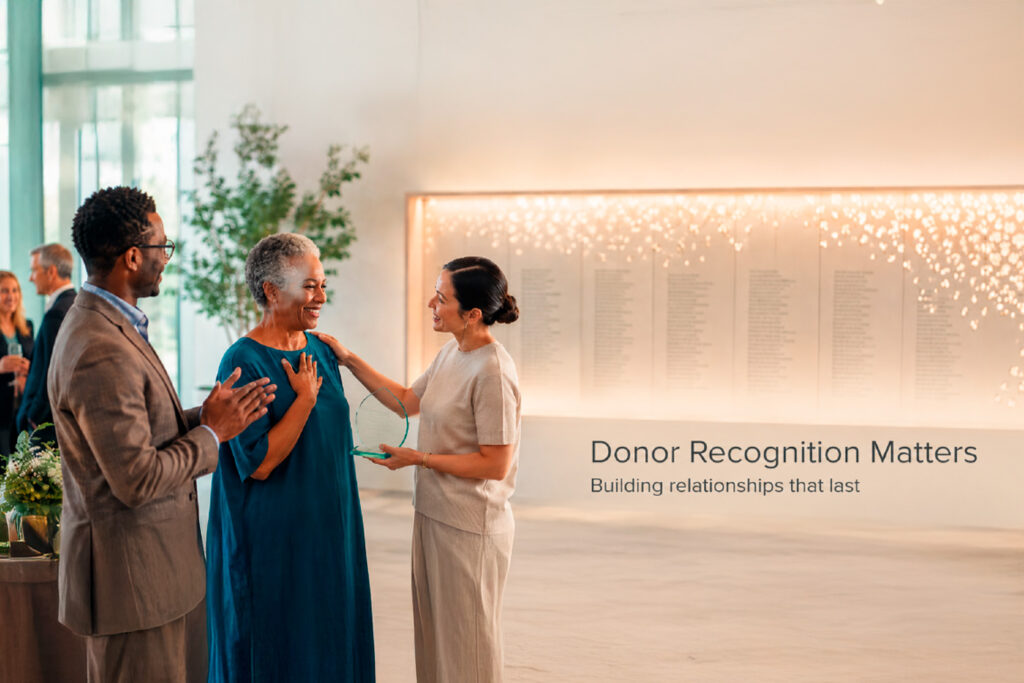
That is why donor recognition has become one of the most important parts of modern nonprofit fundraising. Recognition is no longer limited to a thank-you letter, a tax receipt, or a name on a wall. Today, the best nonprofits use donor recognition as part of a larger donor engagement strategy that builds trust, strengthens relationships, and encourages future giving.
For major donors, recognition can include naming opportunities, public acknowledgment, leadership communication, and high-visibility moments during campaigns or events. For everyday donors, recognition may look like a personalized text message, an impact update, a milestone celebration, or a real-time shout-out during a fundraising event.
The key is simple: donors should feel seen, appreciated, and connected to the mission.
Donor Recognition Is Not About Ego. It Is About Relationship.
Some organizations feel uncomfortable with donor recognition because they do not want fundraising to feel transactional. But thoughtful recognition is not about flattering donors. It is about showing them that their generosity created real impact.
When a donor gives, they are making a personal decision to support a cause they care about. Recognition reinforces that decision.
A strong donor recognition strategy helps nonprofits:
- Improve donor retention
- Increase repeat gifts
- Strengthen major donor relationships
- Encourage recurring giving
- Build trust after campaigns
- Create stronger event experiences
- Turn one-time donors into long-term supporters
In other words, recognition is not just a courtesy. It is a fundraising strategy.
The Best Donor Recognition Is Personal, Timely, and Visible
A generic thank-you message is better than silence, but it is not enough to build lasting donor loyalty.
Effective donor recognition should answer three questions:
- Who is this donor?
A first-time donor, recurring donor, event attendee, major donor, sponsor, volunteer, and lapsed donor should not all receive the same follow-up. - What did their gift make possible?
Donors want to understand the impact behind the transaction. - What should happen next?
Recognition should naturally lead into continued engagement, whether that is another update, an event invitation, a recurring giving ask, or a personal outreach moment.
This is where donor data, segmentation, and automation become essential.
Digital Donor Recognition Is Becoming a Fundraising Advantage
Traditional donor recognition still matters. Plaques, naming opportunities, donor walls, and printed event programs can be meaningful, especially for major gifts and capital campaigns.
But digital recognition adds something traditional recognition cannot always provide: immediacy.
With digital donor recognition, nonprofits can celebrate giving in real time.
Examples include:
- Live donation screens at fundraising events
- Animated donor recognition displays
- SMS thank-you messages after a gift
- Automated impact updates
- Digital donor walls
- Personalized campaign follow-up
- Recognition by donor segment or giving level
- Real-time challenge and matching gift updates
This is especially powerful during galas, auctions, raffles, giving days, peer-to-peer campaigns, and year-end fundraising campaigns.
When donors see momentum happening live, they feel part of something bigger. That emotional connection can increase engagement during the event and strengthen the relationship afterward.
Recognition Should Continue After the Campaign Ends
One of the biggest mistakes nonprofits make is ending communication when the campaign ends.
The gift is not the finish line. It is the beginning of the next donor relationship stage.
After a campaign, nonprofits should have a clear donor recognition and stewardship plan that includes:
- Immediate gift acknowledgment
- Personalized thank-you messages
- Donor segmentation by gift type and giving level
- Impact reporting
- Follow-up from leadership for key donors
- Recognition opportunities for sponsors and major donors
- Recurring giving invitations
- Lapsed donor prevention workflows
- Metrics to measure donor retention and future giving
This post-campaign period is where many nonprofits either build loyalty or lose momentum.
A donor who gives during an event should not disappear into a spreadsheet. They should enter a thoughtful donor journey.
How Donor Charm Helps Nonprofits Recognize and Retain Donors
Donor Charm was built around a simple idea: great fundraising is built on meaningful donor relationships, not one-time transactions.
With Donor Charm, nonprofits can use recognition as part of a complete donor engagement strategy.
1. Recognize donors in real time
Donor Charm’s live animated results screens help nonprofits showcase donors during events, auctions, raffles, and fundraising campaigns. Instead of waiting until after the event to say thank you, organizations can celebrate generosity as it happens.
2. Use SMS to make appreciation immediate
Text messaging allows nonprofits to reach donors quickly and personally. A donor can receive a thank-you message, impact update, event reminder, or follow-up prompt directly on their phone.
That matters because timely recognition feels more authentic.
3. Segment donors for better follow-up
Not every donor should receive the same message. Donor Charm helps nonprofits think strategically about donor segments such as first-time donors, lapsed donors, major donors, recurring donors, and event attendees.
The right message should reach the right donor at the right moment.
4. Automate donor journeys
Recognition should not depend on staff remembering every follow-up task manually. Automated donor journeys help nonprofits stay consistent with thank-you flows, milestone messages, impact reports, and win-back campaigns.
This keeps donors engaged without adding more work to already busy teams.
5. Turn recognition into recurring giving
A well-recognized donor is more likely to stay connected. Once a donor understands their impact, nonprofits can invite them into deeper support through monthly giving, event participation, volunteering, or future campaigns.
Recognition opens the door to long-term donor retention.
Donor Recognition Ideas Nonprofits Can Use Right Now
Here are practical recognition strategies nonprofits can implement immediately:
For first-time donors
Send a fast, personal thank-you message and explain what their first gift supports.
For recurring donors
Celebrate giving milestones such as three months, six months, one year, or lifetime impact.
For event donors
Use live displays, SMS follow-up, and post-event impact updates to keep the energy going.
For major donors
Offer personalized leadership communication, naming opportunities, private briefings, and custom impact reports.
For sponsors
Recognize them before, during, and after the event across digital screens, SMS campaigns, event pages, and follow-up communications.
For lapsed donors
Use a thoughtful re-engagement message that reminds them of their previous impact and invites them back into the mission.
The Future of Donor Recognition Is Automated, Personalized, and Mission-Driven
The nonprofits that grow in the years ahead will not be the ones that simply ask more often. They will be the ones that build better relationships.
Donor recognition is one of the clearest ways to do that.
When appreciation is personal, timely, visible, and connected to impact, donors are more likely to feel valued. When donors feel valued, they are more likely to give again.
That is why donor recognition should not be treated as an afterthought. It should be built into every campaign, event, and donor journey.
With the right tools, nonprofits can move beyond basic acknowledgment and create recognition experiences that inspire loyalty, increase retention, and raise more money for the mission.
Frequently Asked Questions About Donor Recognition
What is donor recognition?
Donor recognition is the process of acknowledging and appreciating supporters for their contributions to a nonprofit. It can include thank-you messages, public acknowledgment, digital displays, naming opportunities, impact reports, donor walls, and personalized follow-up.
Why is donor recognition important for nonprofits?
Donor recognition helps nonprofits build stronger relationships, improve donor retention, encourage repeat giving, and show supporters the impact of their generosity.
What are the best donor recognition strategies?
The best donor recognition strategies are personal, timely, mission-focused, and tailored to each donor segment. Effective strategies include SMS thank-you messages, live event recognition, impact updates, donor milestone celebrations, and personalized stewardship journeys.
How can nonprofits recognize donors during events?
Nonprofits can recognize donors during events through live donation screens, animated donor displays, sponsor acknowledgments, table challenges, mobile auction updates, raffle results, and real-time SMS engagement.
How does donor recognition improve donor retention?
Recognition makes donors feel appreciated and connected to the mission. When donors understand their impact and feel valued by the organization, they are more likely to continue giving.
Final Takeaway
Donor recognition is not just about saying thank you.
It is about turning generosity into belonging.
When nonprofits recognize donors with intention, they create stronger relationships, better fundraising experiences, and more sustainable support for their mission.